
The Empathy, Narrative and Cultural Values (ENCV) research project is led by a team of researchers from the University of Birmingham and the University of Exeter. It is funded by the Arts and Humanities Research Council (AHRC). The project explores how empathy and narrative engagement are shaped by cultural beliefs among Muslim communities in the West Midlands.
Education
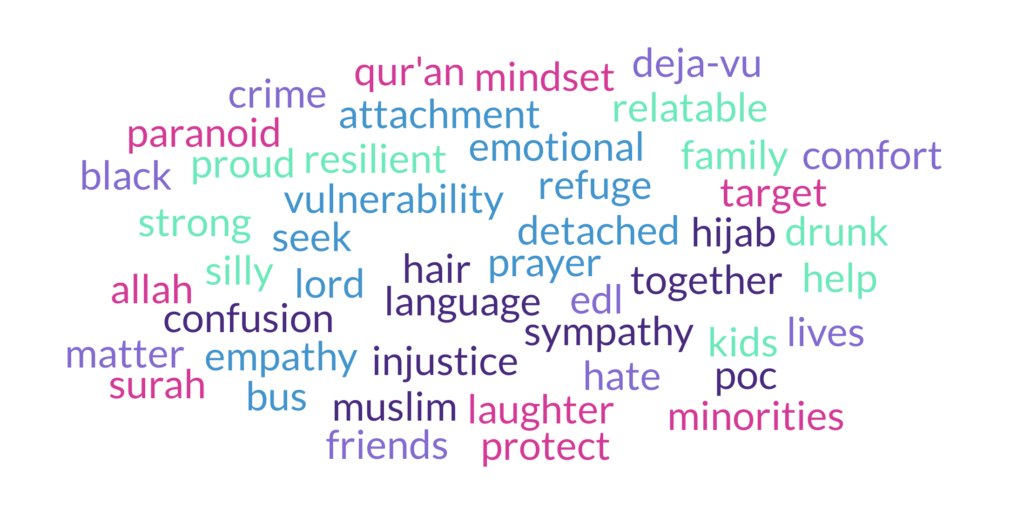
The project has an education strand in which we work with our partners at Joseph Chamberlain Sixth Form College in Balsall Heath, Birmingham, to understand more about how Muslim-background students on the A Level Literature programme bring to the interpretative process core values and beliefs. Through an online reading journal and strategic classroom interventions, we are finding out more about how students bring themselves to the story, what positions they take up, and what judgements they make before their reading takes that more analytical turn required by their studies. Our findings have allowed us to create new classroom interventions for teachers interested in more dialogic ways to engage students from diverse backgrounds, as well as building on existing work to show the potential of a more inclusive curriculum and to demonstrate how, with an approach attentive to where young readers are coming from, literature can speak to everyone.
Health
In our health strand, we are working with Green Lane Masjid and Community Centre in Small Heath to learn more about the conversations that take place among community members when someone receives a cancer diagnosis. Here, we are engaging through the Macmillan Cancer Champions programme with its buddy system, to record conversations between Champions and patients and caregivers. We then work with the Champions in focus groups to identify key themes and co-create a toolkit for stakeholders such as charities, support groups and medical practitioners. Through its focus on those intra-community shared narratives that often remain unheard by others, our work brings to light the importance of considerations such as spiritual beliefs, faith obligations, and family and community support (and pressures) when patients and caregivers are making important decisions around matters such as screening, treatment options, medication, and mental well-being.
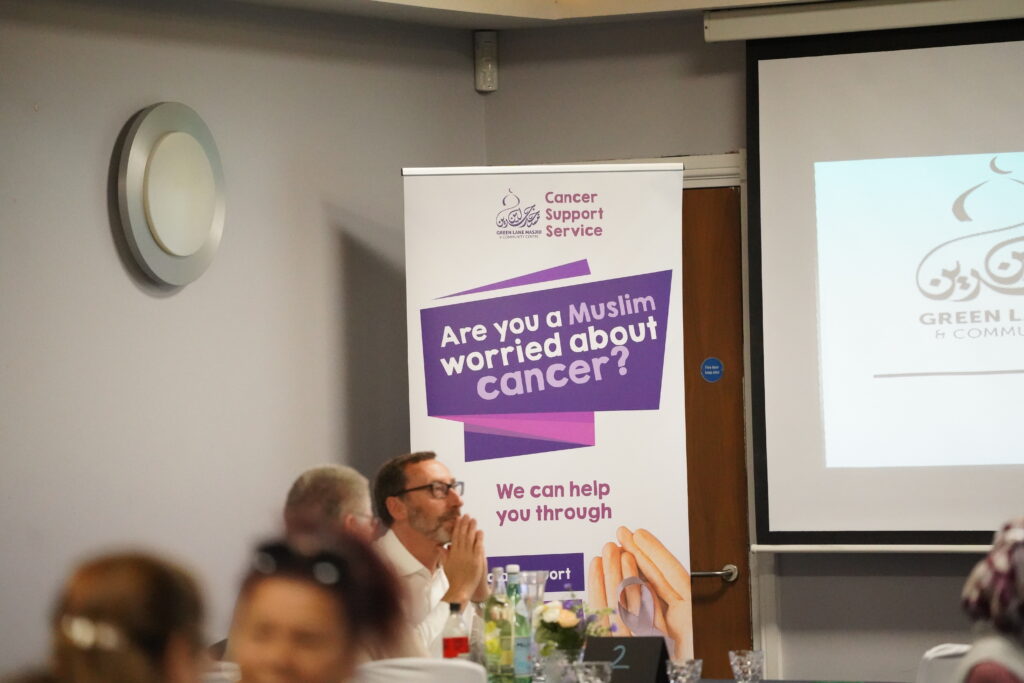
A better understanding of the importance of cultural and faith priorities can enrich broader medical conversations and enhance cultural sensitivity, with positive implications for more equitable, patient-centred outcomes.